
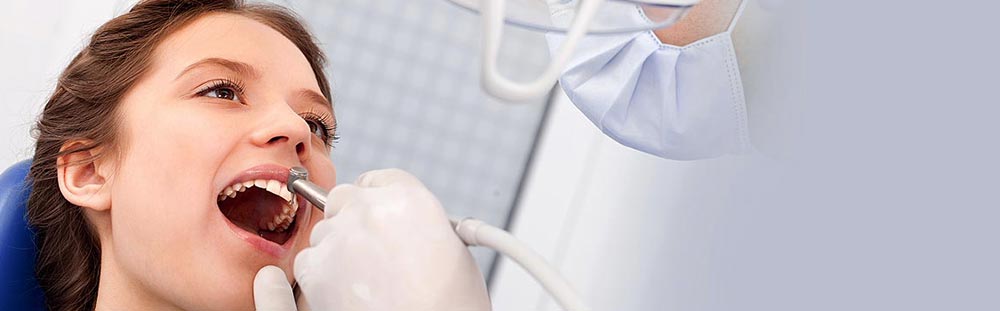
Learn More About Laser Dentistry
Did you know that lasers can replace the scalpel and drill for most dental procedures? Dr. Steven Meyers started his dental practice in 1998 and began offering laser dentistry in 2007. Dr. Meyers discovered the benefits of lasers shortly after they became practical to patients and began devoting more focus to the practice so that the families of Seattle Washington could enjoy its many advantages include:
- Less postoperative pain for surgical and periodontal procedures.
- Less traumatic tissue work for faster healing times.
- Less noise and vibration due to not needing a high speed drill.
- Less needles because no anesthetic is required.
- Less sutures due to the performance of the laser on soft tissue.
- Less infections because of the sterilizing nature of the laser.
What types of dental work can be completed with lasers?
The Food and Drug Administration has approved both hard and soft tissue lasers for use in dental procedures for adults and children. Since each type of dental laser has unique absorption characteristics, they are each used to perform very specific dental procedures.
Hard Tissue Lasers and Their Procedures:
- Cavity Detection - A low intensity laser can be used to detect cavities early in their development.
- Tooth Sensitivity - The laser is used to seal tubules that cause hot and cold tooth sensitivity.
- Dental Filings - Eliminating the need for anesthetics and drills, the laser is able to kill the bacteria in the cavity.
Soft Tissues Lasers and Their Procedures:
- Gummy Smile Correction - The laser can reshape the gum tissue line to expose more healthy tooth surface area.
- Muscle Attachment - A laser frenectomy can improve tongue mobility and eliminate speech impediments in some patients.
- Soft Tissue Folds - A painless and suture-free removal of soft tissue folds is possible with a soft tissue laser.
Other Laser Procedures Include:
- Removal of benign tumors
- Nerve regeneration
- Sleep Apnea Therapy
- Teeth Whitening
- Cold Sores Treatment
- Temporomandibular Joint Therapy