
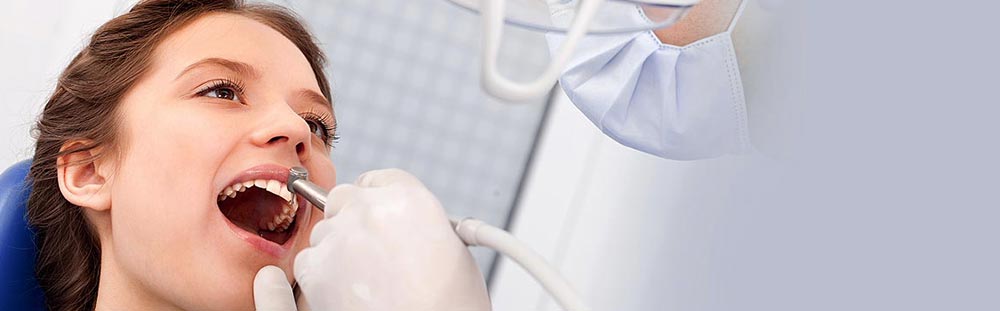
Click here to help this girl keep her smile

Implants


Dr. Steven R. Pohlhaus

Home ] Laser Dentistry ] TMJ Disorders ] Bruxism(Teeth Grinding) ] Mouth Ulcers, Cold Sores, etc ] Oral Cancer Info ] Medical / Dental Correlations ] Dental Prevention ] Gingivitis ] Periodontal Disease ] Halitosis (Bad Breath) ] Esthetic Dentistry ] One Hour Whitening ] Bleaching, Bonding & Veneers ] Sensitive Teeth ] Toothache ] Root Canals ] Crowns ] Bridges ] [ Implants ] Dentures and Partials ] New Patient Info ] Directions to Office ] Dr. Pohlhaus' Resume' ] Dominican Dental Project ]   Pain Relief Info


Google

Web www.stevedds.com   

Member

Some warning labels are tough to swallow.


    Implants have become an important tool for patients and doctors alike in the quest for total oral health care. After decades of research implant techniques have been refined to the point where they are as predictable as many other dental procedures. Implants can be used for just about any thing you can imagine from a single tooth to whole mouth reconstruction. This page will focus on the three areas where implants are most pragmatic and currently being used. This article is by no means all inclusive, but instead discusses the implant procedures you are likely to encounter in a general dental practice.

Where Implants are Commonly Used

    As stated earlier implants can be used for a variety of problems, but there are three situations where they are particularly cost effective and do much to improve the patients quality of life.

bullet

Single Tooth Replacement - This procedure is particularly useful when one or both of the teeth next to the space have no need for traditional crowning. For a traditional bridge the teeth on either side of the space must be cut down for crowns. If these teeth are in need of crowns anyway, then no problem. If, however they are intact teeth with little or no filling in them then reducing them for crowns is quite aggressive. Crowns are great when you need them, but not for healthy teeth.

bullet

Spaces with a Tooth on only One Side- This situation occurs when the last few teeth in the arch are missing with no tooth behind them. A bridge is impossible as it needs stable teeth on either side of the missing space. Traditionally, these spaces have been filled with partial dentures. An implant bridge avoids the pitfalls of the partial, allowing replacement without the bulky metal framework attached to the other teeth.

bullet

Attachments for Complete Dentures- Lower dentures, and sometimes uppers as well can be quite difficult to chew with as there is nothing to hold them in place. Adhesives help somewhat, but not as well as people would like. A few implants with small attachments on them of various designs can make a denture much easier to wear and chew with.


Procedure

    Implant placement is a relatively mild surgical procedure where the surgeon places the titanium implant in the bone with a delicate procedure. Over the next three to six months the implant will bond to the bone through a process known as osseointegration. Once integrated and healed the restorative dentist fabricates the crown. bridge, or denture attachment using techniques similar to traditional crown and bridge. Techniques are improving all the time whereby the procedures are becoming more systematic, predictable, easy to perform, and in a more timely fashion.

    Patient selection is important. The patient's medical conditions weigh heavily on the implants ability to integrate properly (for example an uncontrolled diabetic or heavy smoker). However with proper selection and treatment planning implant procedures are becoming quite predictable with a success rate of over 95 percent. Implant failure is usually due to infection which can destroy the integrated attachment of the implant to the bone.


 Locations of visitors to this page

Hit Counter

 Home ] Laser Dentistry ] TMJ Disorders ] Bruxism(Teeth Grinding) ] Mouth Ulcers, Cold Sores, etc ] Oral Cancer Info ] Medical / Dental Correlations ] Dental Prevention ] Gingivitis ] Periodontal Disease ] Halitosis (Bad Breath) ] Esthetic Dentistry ] One Hour Whitening ] Bleaching, Bonding & Veneers ] Sensitive Teeth ] Toothache ] Root Canals ] Crowns ] Bridges ] [ Implants ] Dentures and Partials ] New Patient Info ] Directions to Office ] Dr. Pohlhaus' Resume' ] Dominican Dental Project ]  Children's Oral Health 


Copyright © 2000 Steven R. Pohlhaus,DDS

704 D Nursery Road
Linthicum, Maryland 21090
410-789-4999

Last modified: July 31, 2007